
Undisputed since 1977.
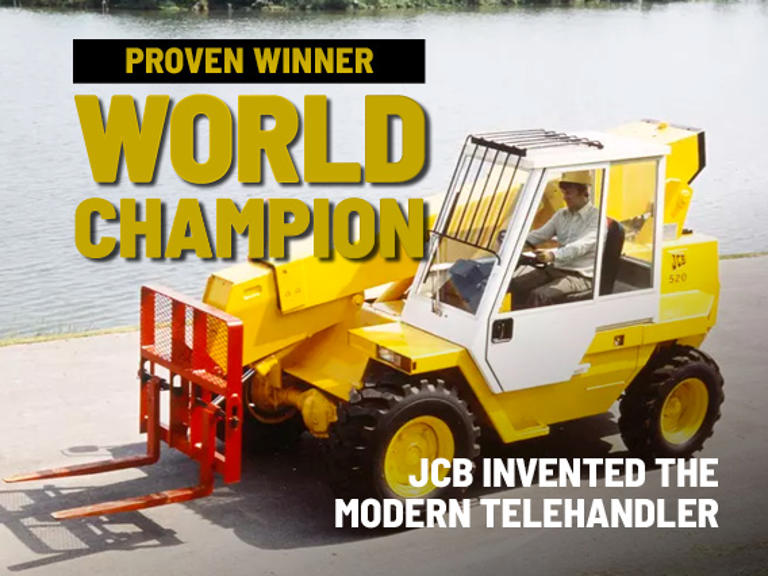
JCB put the Loadall in the ring in October 1977 and has been sharpening it ever since. Nearly fifty years on, the telehandler is no longer a specialist. It is the machine that does the most jobs, on the most days, on the most sites. And JCB is the world's number one choice for it.
That title was not won with one lucky punch. It was won by building a contender for every weight class: a 2.5 tonne compact that walks through a standard doorway, a 6 tonne industrial that shifts serious weight, and a 17.5 metre reach that gets to places a forklift cannot even see.
In New Zealand, every machine in the range comes with Power Farming Group's dealer network in its corner. Parts, technicians, and backup for the full working life of the machine.
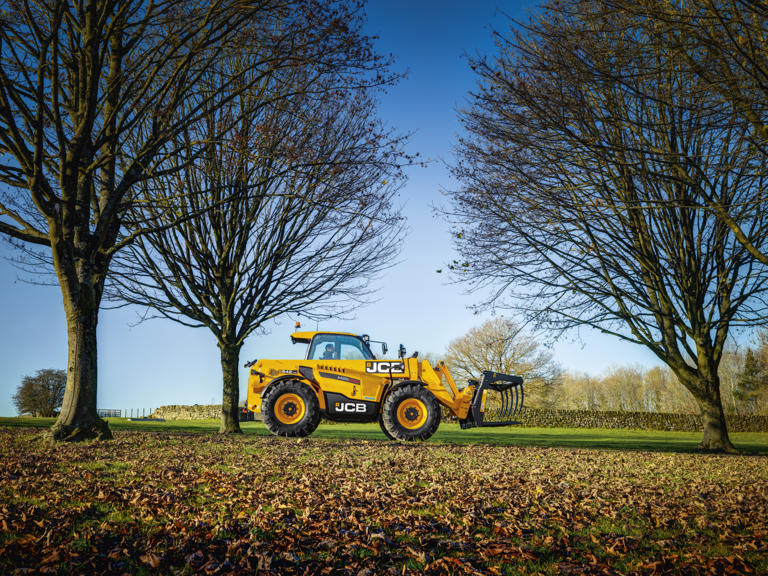
For the farm
Agri, AgriSuper and AgriPro machines, 3.2 to 4.2 tonne lift capacity and up to 7 metres of lift. Specified for loader work, bale handling, feeding out and yard work, with the transmission and hydraulics matched to the way a farm actually uses a telehandler.
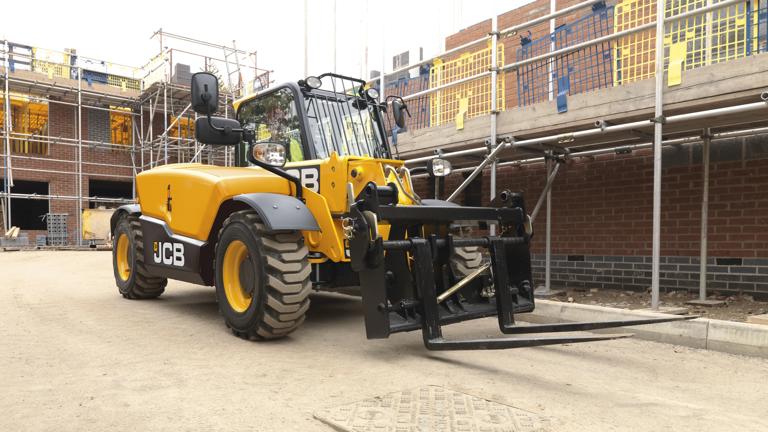
For the worksite
Loadall machines from 2.5 to 6 tonne lift capacity and up to 17.5 metres of lift. Compact machines for tight sites, high-reach machines for structural work, and the 560-80 when the load is the problem rather than the height.
-
The first JCB Loadall went on sale on 20 October 1977. Sixty-four machines sold that year, and JCB has been building them without a break ever since. They have now passed 220,000 units.
Nearly fifty years of continuous production is a proven reliability point. Every generation of Loadall has been shaped by what came back from the last one: where booms wear, what operators actually reach for, which parts need to be easy to get to.
Building Loadalls since 1977, over 220,000 machines
-
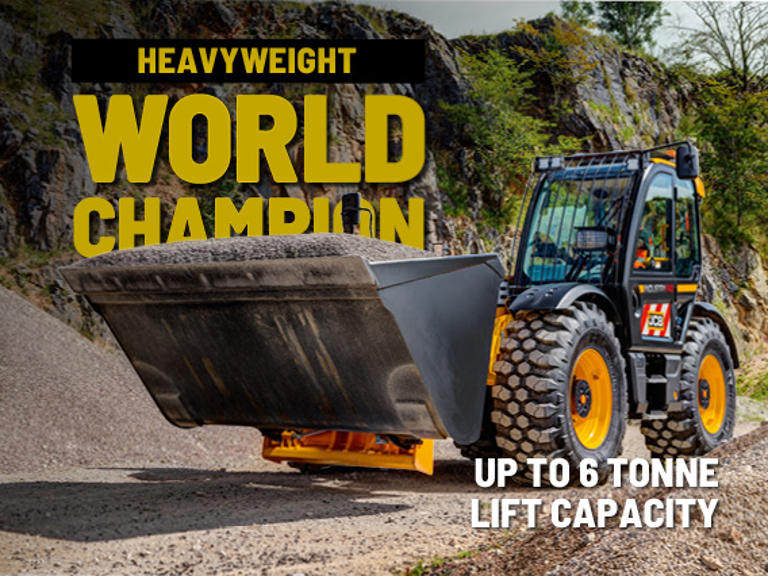
At the top of the construction range sits the 560-80, the most powerful telescopic handler JCB has built. Six tonne lift capacity, 7.9 metres of lift and a 97 kW Stage V JCB DieselMax engine.
It is built for the jobs where the weight is the problem: a fully welded one-piece chassis, hydraulic extension rams without chains, and the U-shaped boom with single closing plate welds that keeps the joint count and the stress points down. Regenerative hydraulics bring the boom back down faster.
560-80: 6,000 kg lift, 7.9 m reach, 97 kW
-
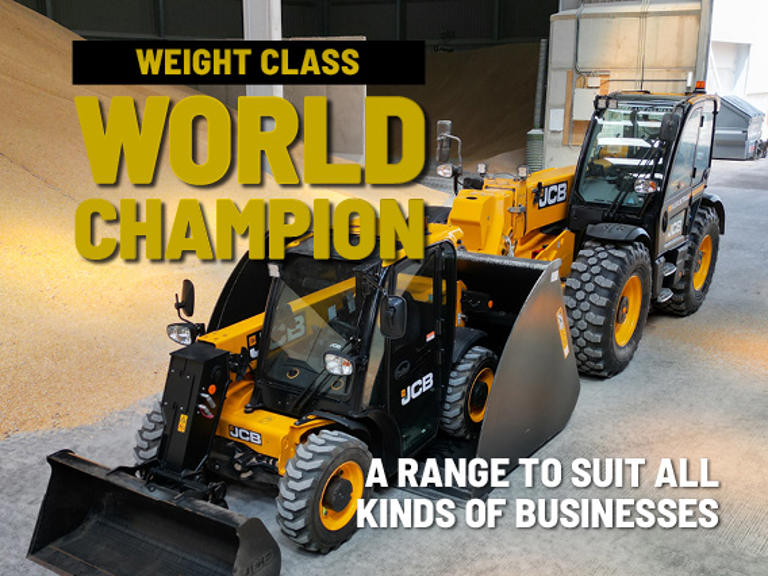
The 525-60 is compact enough for work inside sheds and yards. The 540-180 reaches 17.51 metres. Between those two sits everything most operators actually need.
The point of a range this wide is that you you get the one whose lift chart matches your loads, which allows you to do your job.
10 models, 2.5 to 6 tonne, up to 17.5 m
-
Finance is available on new JCB telehandlers. Your dealer will put together a structure that suits the way your business earns, whether that is seasonal, contract by contract, or steady across the year. Ask about it when you enquire and it will come back with your pricing.
* Finance is subject to credit approval and standard lending criteria. Terms and conditions apply.

Backed by eighteen dealerships nationwide
JCB in New Zealand is distributed by PFG Construction, part of the Power Farming Group, through a nationwide network of eighteen dealerships. Power Farming traces back to Maber Motors, established in 1946, and took its current name in 1977, the same year JCB built the first Loadall. The support behind a JCB telehandler is not a new arrangement.
A telehandler is usually the machine a business can least afford to have sitting still. Parts, service and a technician who knows the machine are the whole point.

The No.1 telehandler on the planet
Ten models. Nearly fifty years of building them. Nationwide support behind every one. Tell us what the job is.
*Specifications shown are maximum figures and vary by configuration and attachment. Lift capacity reduces as the boom extends, refer to the lift chart for each model. Finance is subject to credit approval and standard lending criteria. Terms and conditions apply.